Description
Clonazepam: Uses, Side Effects, Safety, and What You Should Know
Introduction
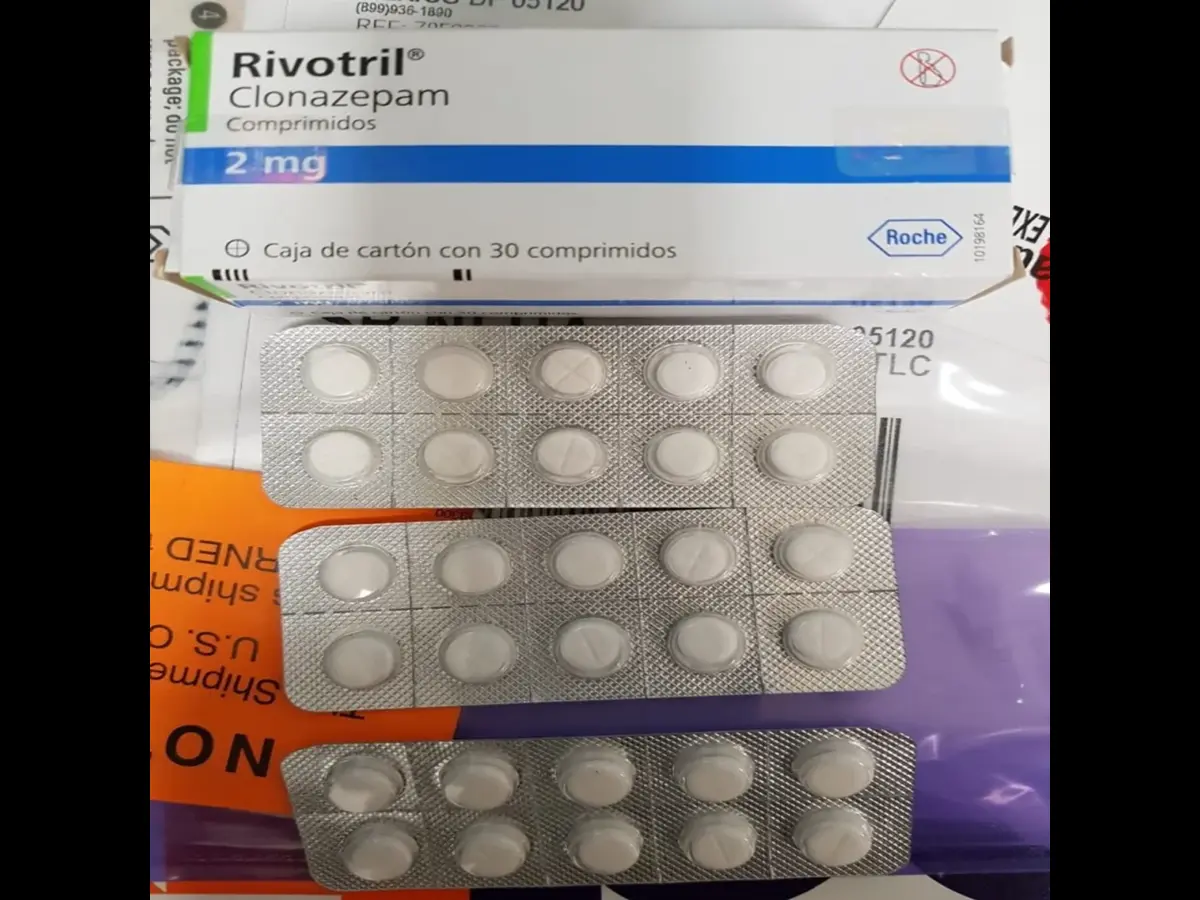
Clonazepam is a prescription medication commonly used to treat anxiety-related conditions and certain types of seizures. While it can be highly effective when used appropriately, it also comes with important safety considerations that patients should understand before starting treatment.
This guide provides a clear, medically responsible overview of buy clonazepam—how it works, what it’s used for, and the risks to be aware of.
What Is Clonazepam?
Clonazepam belongs to a class of medications known as benzodiazepines. These drugs act on the central nervous system to produce a calming effect by enhancing the activity of gamma-aminobutyric acid (GABA), a neurotransmitter that reduces brain activity.
Because of this mechanism, once you buy clonazepam 2mg online is often prescribed for conditions involving excessive neural activity or heightened anxiety.
Common Uses
Doctors may prescribe clonazepam for several medical conditions, including:
- Panic disorder
- Seizure disorders, such as epilepsy
- Certain movement disorders
- Short-term relief of severe anxiety symptoms
It is typically used as part of a broader treatment plan that may include therapy or other medications.
How It Works
Clonazepam slows down activity in the brain, helping to:
- Reduce feelings of panic or fear
- Prevent seizure activity
- Promote relaxation and calmness
Its effects can begin relatively quickly, which is why it’s sometimes used for acute symptom relief.
Possible Side Effects
Like all medications, clonazepam can cause side effects. Common ones include:
- Drowsiness or fatigue
- Dizziness
- Poor coordination
- Memory or concentration issues
More serious risks may include:
- Dependence or withdrawal symptoms
- Respiratory depression (especially when combined with other sedatives)
- Mood changes or depression
If unusual or severe symptoms occur, medical attention is important.
Risks and Safety Considerations
1. Dependence and Withdrawal
Clonazepam has the potential for physical and psychological dependence, especially with long-term use. Stopping suddenly can lead to withdrawal symptoms such as:
- Anxiety
- Insomnia
- Irritability
- In severe cases, seizures
2. Drug Interactions
Combining clonazepam with substances like alcohol or opioids can significantly increase the risk of dangerous side effects, including slowed breathing.
3. Not for Long-Term Use in Many Cases
Healthcare providers often recommend short-term or carefully monitored use to reduce risks.
Safe Use Guidelines
To use clonazepam safely:
- Always follow your doctor’s instructions
- Do not adjust your dose without medical advice
- Avoid alcohol while taking the medication
- Store it securely to prevent misuse
Regular check-ins with a healthcare provider help ensure the medication remains appropriate for your needs.
Alternatives and Complementary Treatments
Depending on the condition, clonazepam may be combined with or replaced by:
- Cognitive Behavioral Therapy (CBT)
- Other medications such as SSRIs
- Lifestyle changes (sleep, exercise, stress management)
These approaches can provide long-term benefits with fewer risks of dependence.
Frequently Asked Questions
How long does clonazepam last?
Its effects can last several hours, though this varies by individual.
Is clonazepam addictive?
It can be habit-forming, particularly with prolonged use or misuse.
Can it be used daily?
Some patients use it daily under medical supervision, but long-term use is typically monitored closely.
Conclusion
Clonazepam can be an effective treatment for anxiety and seizure-related conditions when used responsibly. However, understanding its risks—especially dependence and side effects—is essential for safe use.
If you’re considering or currently taking clonazepam, working closely with a qualified healthcare provider is the best way to ensure safe and effective treatment.
Disclaimer: This is for informational purposes only and does not substitute professional medical advice.